The Cultural Shift Toward Quiet Luxury
By Sam Bitton on July 3, 2026
For decades, luxury was often associated with visibility.
Designer logos, recognizable patterns, and statement accessories became symbols of success, allowing people to communicate status through the brands they wore. Fashion was, in many ways, about being seen. The more recognizable the label, the more clearly it signaled wealth or exclusivity.
Over the past few years, however, a different approach has gained momentum.
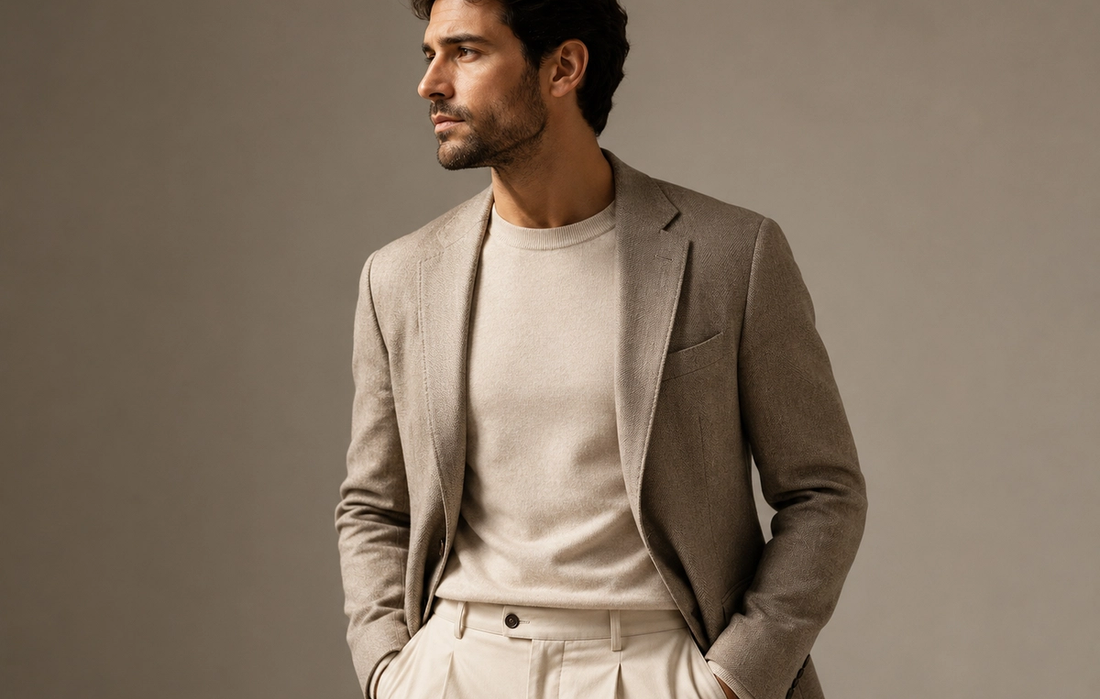
Instead of bold branding and attention-grabbing designs, many people have begun embracing what has become known as quiet luxury. The trend focuses on understated elegance, exceptional quality, timeless clothing, and craftsmanship rather than obvious displays of wealth. Clothes are chosen because they are well made, versatile, and designed to last—not because everyone can immediately recognize the logo.
While quiet luxury has become a fashion trend, it also reflects a broader cultural shift in how many people think about style, consumption, and success.
Quiet luxury isn’t about buying expensive clothes
One of the biggest misconceptions about quiet luxury is that it simply means spending more money.
While many luxury brands have embraced this aesthetic, the philosophy itself has very little to do with price tags.
At its core, quiet luxury is about choosing quality over excess. It values well-made clothing, timeless designs, careful tailoring, and materials that age gracefully. A simple cashmere sweater, a perfectly fitted blazer, or a classic leather handbag can embody the idea regardless of whether they’re newly purchased, second-hand, or from a well-known designer.
The focus is less on proving wealth and more on appreciating craftsmanship.
People are becoming tired of constant consumption
Social media has dramatically changed the way fashion trends spread.
Every week introduces new collections, micro-trends, and “must-have” items that encourage people to shop more frequently than ever before. While this constant variety can be exciting, it has also created a growing sense of fatigue.
Many people are beginning to question whether they truly need another trend-driven purchase.
Instead, they’re investing in fewer pieces they’ll wear repeatedly rather than filling their wardrobes with clothes that lose their appeal after one season.
Quiet luxury reflects this growing appreciation for thoughtful consumption rather than constant replacement.
Timeless style feels more sustainable
Another reason quiet luxury has gained attention is its connection to sustainability.
Clothing designed to remain stylish for years naturally encourages people to buy less often. A well-made wool coat or classic pair of leather loafers can remain relevant across changing trends, reducing the need for frequent replacements.
While buying fewer clothes alone doesn’t solve every environmental challenge facing the fashion industry, choosing pieces with longer lifespans can contribute to more sustainable shopping habits.
Timeless design often supports both personal style and responsible consumption.
Confidence no longer needs a logo
One of the most interesting aspects of quiet luxury is what it suggests about confidence.
Instead of relying on visible branding to communicate status, people increasingly express confidence through simplicity. Well-fitting clothing, high-quality fabrics, thoughtful tailoring, and understated accessories allow the person—not the logo—to become the focus.
This shift reflects a broader cultural idea.
For many people, confidence today feels less connected to showing what they own and more connected to knowing who they are.
Style becomes quieter because it no longer depends on external validation.
Quality is becoming more valuable than quantity
Quiet luxury also reflects changing attitudes toward ownership.
Rather than collecting dozens of similar items, many people prefer owning fewer pieces that perform exceptionally well. A beautifully made handbag used every day often provides greater satisfaction than several cheaper alternatives that wear out quickly.
This philosophy extends beyond fashion.
It’s increasingly visible in furniture, home design, technology, and even travel, where people often prioritize quality experiences over simply having more possessions.
The emphasis shifts from accumulation to appreciation.
Personal style is replacing trend chasing
Fashion trends will always exist, but many people are becoming more interested in developing their own personal style.
Instead of asking what’s fashionable this season, they’re asking what genuinely suits their lifestyle, body, and personality.
Quiet luxury supports this approach because timeless pieces naturally adapt to changing trends rather than depending on them.
A wardrobe built around classic tailoring, neutral colours, and versatile clothing often feels more authentic because it reflects individual taste instead of seasonal marketing.
Style becomes something personal rather than performative.
Quiet luxury isn’t only for fashion
Although the phrase originated in conversations about clothing, the idea extends much further.
It can describe a thoughtfully designed home without unnecessary clutter, carefully chosen furniture that lasts for years, meaningful travel experiences instead of luxury for its own sake, or buying fewer, better-quality everyday items.
In many ways, quiet luxury is less about appearances and more about values.
It encourages intentional choices, craftsmanship, longevity, and appreciating things that don’t need to attract constant attention.
That philosophy resonates with people far beyond the fashion industry.
Not every trend deserves to last
Like any popular movement, quiet luxury has also become a marketing tool.
Many brands now use the phrase to describe products that are simply expensive rather than genuinely well made. Others treat it as another seasonal aesthetic rather than the thoughtful approach to consumption it originally represented.
That’s why it’s important to separate the concept from the marketing.
True quiet luxury isn’t about buying into another trend.
It’s about making intentional decisions that continue to feel right long after the trend itself has faded.
A quieter definition of luxury
Luxury has always reflected the values of its time.
Where previous generations often associated it with visibility and exclusivity, today’s interpretation is becoming more subtle. Increasingly, luxury means owning less but choosing better, valuing quality over quantity, and feeling confident without needing to prove it.
This cultural shift doesn’t suggest that everyone should dress the same or avoid fashion trends altogether.
Rather, it reminds us that lasting style isn’t built through constant consumption. It’s built through thoughtful choices, timeless design, and a clear understanding of what genuinely adds value to our lives.
In the end, the greatest appeal of quiet luxury may not be how it looks.
It may be how effortlessly it allows people to focus less on impressing others and more on feeling comfortable, confident, and completely themselves.

MORE IN TRENDING
How to Find Your Personal Style in 6 Steps
Sam Bitton .
How to Spot a Beauty Product That’s Actually Worth the Hype
Adi Liad .

The Privacy Settings Worth Changing on Every Device You Own
Roy Kaden Roi .

How to Spend Less Time on Your Phone Without Going Off-Grid
Roy Kaden Roi .

The Digital Habits of People Who Seem Calm Online
Jade Josef .