
How to Get Better Sleep (Without Quitting Your Phone)
By Jami Leiva Jamie on July 3, 2026
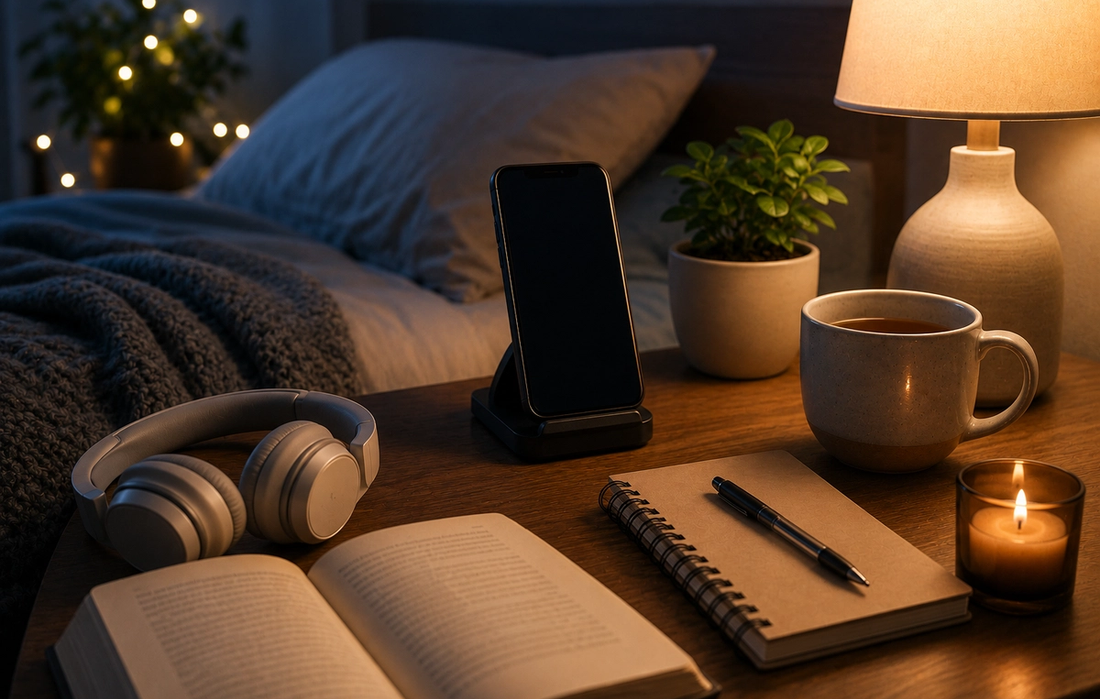
If you’ve ever promised yourself you’d stop using your phone before bed, you’re not alone.
Most of us know the advice by now: put your phone away an hour before sleep, avoid screens in the evening, and never bring your device into the bedroom. While those suggestions can certainly help, they’re not always realistic. Our phones have become alarm clocks, calendars, e-readers, music players, and the main way we stay connected with family and friends.
For many people, completely giving up their phone before bed simply isn’t going to happen.
The good news is that improving your sleep doesn’t require perfection. Small changes to how and when you use your phone can make a noticeable difference without asking you to disconnect entirely.
Better sleep is often the result of smarter habits, not stricter rules.
Understand why phones affect sleep
It’s not just the screen itself that’s the problem.
Phones keep our minds active. Reading emails, replying to messages, watching short videos, scrolling through social media, or catching up on the news all encourage the brain to stay alert when it should be preparing to rest.
Blue light from screens may also delay the release of melatonin, the hormone that helps regulate sleep. While researchers continue to study exactly how much this affects different people, it’s clear that mentally stimulating content often plays an even bigger role.
The goal isn’t to fear your phone.
It’s to stop letting it convince your brain that bedtime is just another part of the day.
Create a “last activity”
One simple way to improve sleep is to decide what the final activity of your evening will be.
Instead of endlessly switching between apps until you suddenly realize it’s midnight, choose one intentional activity before bed.
You might read a few chapters of an e-book, listen to calming music, play a guided meditation, or watch a single episode of a favourite show before putting your phone down.
Having a clear ending makes it much easier to stop scrolling.
Without one, there’s always “just one more video.”
Turn on sleep-friendly settings
Most smartphones include features designed to reduce evening distractions.
Night mode or blue-light filters warm the colours on your screen during the evening, while Do Not Disturb modes silence unnecessary notifications that might interrupt your sleep.
Many devices also allow you to schedule these settings automatically, meaning your phone quietly switches into a more sleep-friendly mode every evening without requiring any extra effort.
These features won’t solve every sleep problem, but they help reduce unnecessary stimulation when your brain should be winding down.
Small adjustments often make a bigger difference than people expect.
Avoid emotional content before bed
The final few minutes before sleep influence more than just how quickly you fall asleep.
Watching upsetting news, reading stressful emails, arguing online, or endlessly comparing yourself to other people on social media can leave your mind racing long after you’ve put the phone down.
Whenever possible, try ending the day with content that feels calmer.
Reading a book, listening to relaxing music, following a meditation, or watching something light-hearted is usually much kinder to your brain than finishing the evening surrounded by stress.
Your mind deserves a chance to slow down before asking it to rest.
Charge your phone somewhere else if possible
You don’t necessarily have to ban your phone from the bedroom.
But creating a little distance can help.
Charging it on a desk instead of your bedside table makes it less tempting to pick up every time you wake during the night. If your alarm still needs to wake you in the morning, you’ll simply have to stand up to turn it off.
That small change often reduces late-night scrolling without requiring dramatic willpower.
Sometimes changing the environment is easier than changing your habits.
Keep a consistent bedtime
Many people focus entirely on screens while overlooking one of the biggest influences on sleep: consistency.
Going to bed at roughly the same time every night helps regulate your body’s internal clock, making it easier to fall asleep and wake up naturally.
Even if you occasionally use your phone before bed, maintaining a regular sleep schedule often has a much greater impact than trying to create the perfect evening routine.
Your body appreciates rhythm more than perfection.
Make your bedroom a place for rest
Your sleep environment matters just as much as your evening habits.
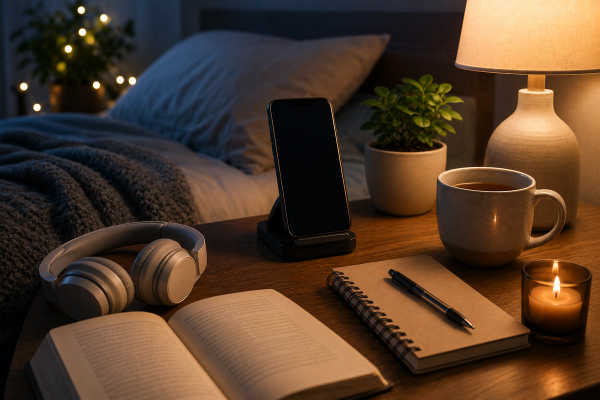
A cool, dark, and quiet bedroom helps signal to your brain that it’s time to sleep. Comfortable bedding, minimal clutter, and soft lighting can also make it easier to relax.
If your phone becomes associated with endless work emails, late-night shopping, or constant entertainment, it becomes harder for your mind to switch into rest mode.
The more your bedroom feels connected to sleep, the easier falling asleep often becomes.
Don’t stress about sleeping
Ironically, worrying about sleep is one of the quickest ways to stay awake.
Watching the clock, calculating how many hours you have left, or becoming frustrated because you’re not asleep yet often creates even more alertness.
If you can’t fall asleep immediately, remember that resting quietly is still valuable.
Sometimes simply putting the phone down, slowing your breathing, and allowing yourself to relax without pressure is enough to help sleep arrive naturally.
The goal isn’t to force sleep.
It’s to create the conditions where sleep has the best chance of happening.
Better sleep comes from better evenings
You don’t have to throw your phone away or swear off technology to sleep better.
Most people simply benefit from creating healthier boundaries around how they use their devices at the end of the day. Reducing endless scrolling, avoiding stressful content, using sleep-friendly settings, and following a consistent bedtime routine often produce noticeable improvements without requiring major lifestyle changes.
Good sleep isn’t built through one perfect evening.
It’s built through small habits repeated night after night.
In the end, your phone doesn’t have to be the enemy of good sleep. With a few thoughtful adjustments, it can remain part of your evening while no longer getting in the way of the rest your body and mind need.






MORE IN TRENDING
How to Find Your Personal Style in 6 Steps
Sam Bitton .
How to Spot a Beauty Product That’s Actually Worth the Hype
Adi Liad .
The Privacy Settings Worth Changing on Every Device You Own
Roy Kaden Roi .

How to Spend Less Time on Your Phone Without Going Off-Grid
Roy Kaden Roi .

The Digital Habits of People Who Seem Calm Online
Jade Josef .