
How to Protect Your Online Privacy Without Being Paranoid
By Moran Sap on July 3, 2026
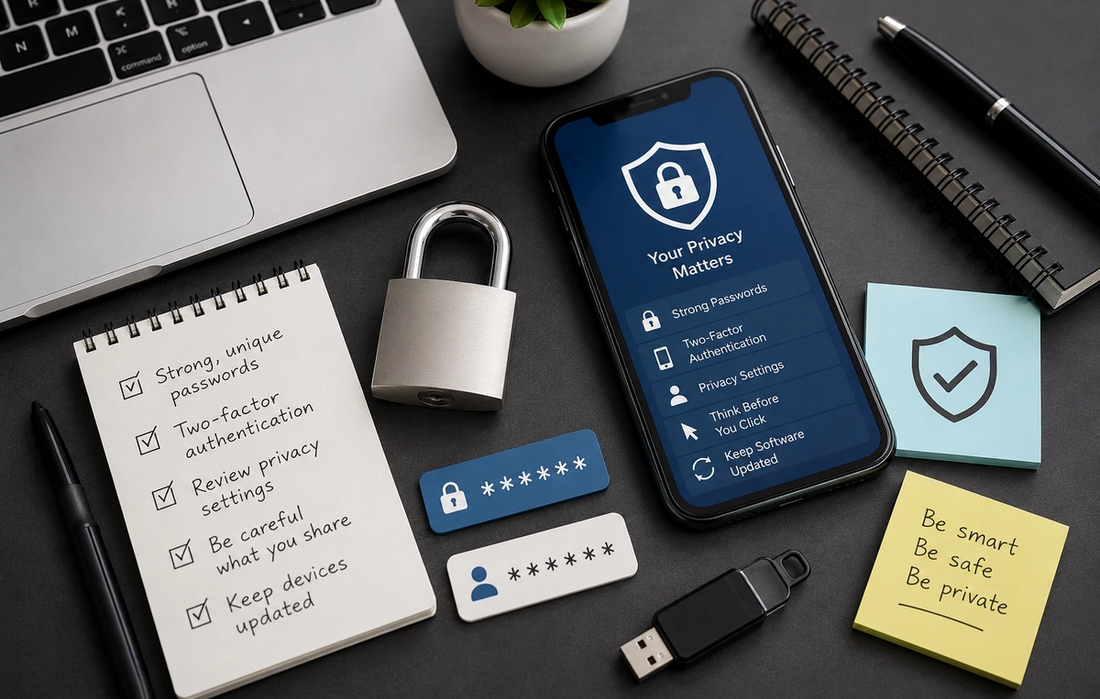
Every time we go online, we leave behind small pieces of information.
We search for recipes, buy gifts, send messages, book holidays, stream movies, and use navigation apps without thinking much about the amount of data being shared along the way. While this information helps many digital services work more smoothly, it also raises understandable questions about privacy.
It’s easy to feel overwhelmed by headlines about data breaches, tracking, and cybercrime. Some advice suggests that the only way to stay safe is to stop using modern technology altogether.
Fortunately, that’s not true.
Protecting your online privacy doesn’t require fear or extreme measures. It simply means developing a few sensible habits that reduce unnecessary risks while allowing you to continue enjoying the convenience of the internet.
Use strong, unique passwords
One of the simplest ways to improve your online privacy is by strengthening your passwords.
Using the same password for multiple accounts may seem convenient, but it also means that if one account is compromised, others become more vulnerable. Creating unique passwords for important accounts significantly reduces that risk.
Many people now use password managers to generate and securely store complex passwords, making it unnecessary to remember dozens of different combinations.
Good password habits remain one of the strongest foundations of online security.
Turn on two-factor authentication
Whenever possible, enable two-factor authentication for your most important accounts.
This feature adds an extra layer of protection by requiring a second form of verification, such as a code sent to your phone or generated by an authentication app, before someone can sign in.
Even if a password is somehow stolen, the additional verification makes unauthorized access much more difficult.
It usually takes only a few minutes to activate and can greatly improve your account security.
Be thoughtful about what you share
Not every piece of personal information needs to be public.
Before posting online, consider whether the information could reveal more than you intend. Birthdays, travel plans, home addresses, daily routines, or photos showing sensitive documents may seem harmless individually, but together they can create a surprisingly detailed picture of your life.
This doesn’t mean avoiding social media altogether.
It simply means sharing intentionally rather than automatically.
A little awareness goes a long way.
Review your privacy settings
Most online services allow you to control who can see your information.
Take a few minutes to review the privacy settings on your social media accounts, messaging apps, and other online services. You may discover that more information is publicly visible than you realized.
Adjusting who can view your profile, contact you, or see your posts gives you greater control over your digital presence.
Privacy settings aren’t something you need to check every week, but reviewing them occasionally is a worthwhile habit.
Think before clicking
Cybercriminals often rely on curiosity and urgency.
Unexpected emails, text messages, or pop-up windows may encourage you to click a link, download a file, or provide personal information. Many of these messages are designed to appear trustworthy by pretending to come from banks, delivery companies, or well-known organizations.
If something feels unusual, pause before reacting.
Visiting a company’s website directly instead of following an unexpected link is often a safer approach.
A few extra seconds of caution can prevent much larger problems later.
Keep your devices updated
Software updates do more than introduce new features.
Many contain important security improvements that fix newly discovered vulnerabilities. Delaying updates for months may leave devices exposed to risks that have already been addressed.
Enabling automatic updates where possible helps ensure your phone, computer, and apps continue receiving the latest protections without requiring much effort.
Keeping software current is one of the easiest ways to improve online security.
Public Wi-Fi deserves extra caution
Free Wi-Fi at cafés, airports, hotels, or shopping centres can be incredibly convenient.
However, public networks may not always provide the same level of security as your home internet connection.
If you’re using public Wi-Fi, avoid accessing highly sensitive accounts such as online banking unless you trust the network and are taking appropriate precautions. Waiting until you’re on a secure connection is often the safer option for important transactions.
Convenience should never come at the expense of protecting your personal information.
Privacy is about balance
Sometimes discussions about online privacy become so extreme that they create unnecessary anxiety.
The reality is that you don’t need to disconnect from the internet or avoid every digital service to protect yourself. Most people simply benefit from becoming a little more aware of the information they share and the habits they follow online.
Good privacy practices aren’t about expecting the worst.
They’re about making sensible decisions that reduce unnecessary risks while allowing technology to continue improving everyday life.
Balance is usually more sustainable than fear.
Small habits make a big difference
Protecting your privacy doesn’t require expensive software or advanced technical knowledge.
Using strong passwords, enabling two-factor authentication, reviewing privacy settings, updating your devices, and thinking carefully before sharing information are all small actions that become more powerful when practiced consistently.
None of these habits take very long.
Together, however, they create multiple layers of protection that make your digital life significantly more secure.
In the end, online privacy isn’t about hiding from technology.
It’s about using technology wisely. By making a few thoughtful choices, you can enjoy the benefits of the internet while keeping greater control over your personal information—without becoming paranoid or giving up the digital tools that make everyday life easier.









MORE IN TRENDING
How to Find Your Personal Style in 6 Steps
Sam Bitton .
How to Spot a Beauty Product That’s Actually Worth the Hype
Adi Liad .
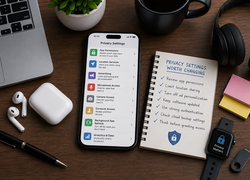
The Privacy Settings Worth Changing on Every Device You Own
Roy Kaden Roi .

How to Spend Less Time on Your Phone Without Going Off-Grid
Roy Kaden Roi .

The Digital Habits of People Who Seem Calm Online
Jade Josef .