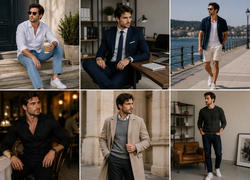
How to Dress Well on Any Budget
By Mia Pazz Maya on July 3, 2026
It’s easy to believe that looking stylish requires an expensive wardrobe. Social media, luxury fashion campaigns, and celebrity outfits often create the impression that great style comes with a high price tag. When we’re constantly surrounded by designer labels and fast-changing trends, it’s understandable why many people feel they need to spend more to look well dressed.
The reality is very different.
Some of the most stylish people don’t have the biggest wardrobes or the most expensive clothes. They simply understand what suits them, buy thoughtfully, and take good care of what they own. Style has much more to do with confidence, fit, and versatility than with price.
Whether you’re building a wardrobe from scratch or trying to make the most of what you already have, dressing well is possible at almost any budget.
Prioritize fit over labels
One of the quickest ways to make an outfit look more polished is choosing clothes that fit well.
An affordable blazer that fits your shoulders properly will often look more expensive than a designer one that’s too large or too tight. The same applies to jeans, dresses, trousers, and shirts.
If necessary, simple alterations can make an enormous difference. Shortening trousers, adjusting sleeves, or tailoring the waist of a jacket is often far less expensive than buying an entirely new wardrobe.
Good fit creates structure, confidence, and a cleaner overall appearance—regardless of the price tag.
Build your wardrobe around versatile basics
When shopping on a budget, versatility becomes especially important.
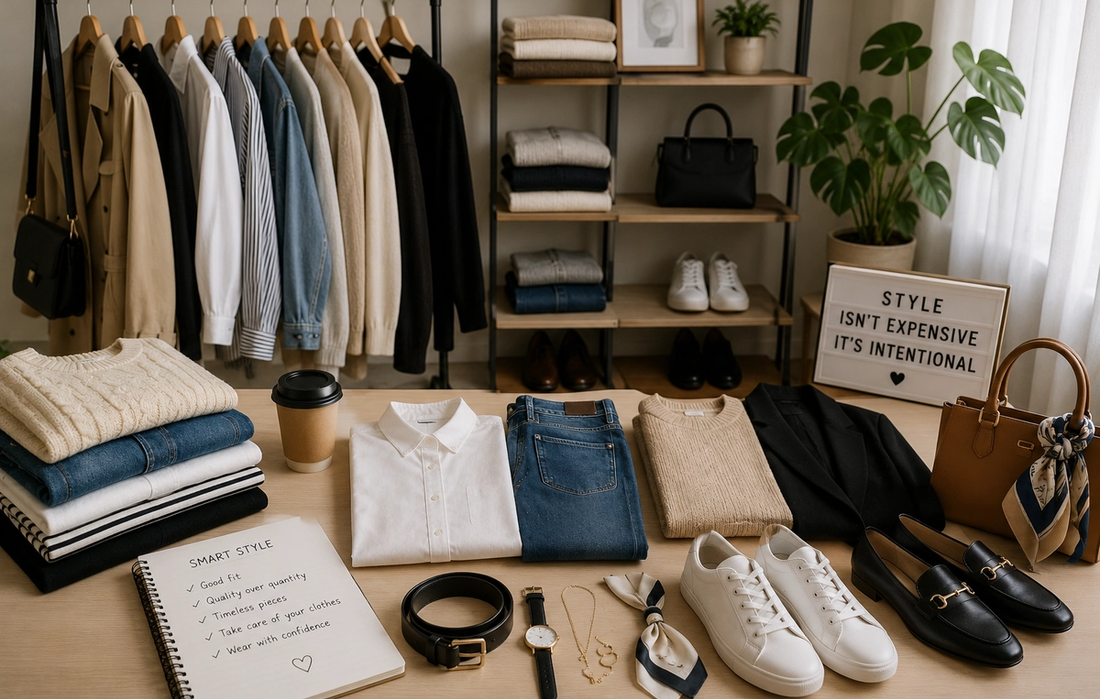
Choose pieces that work with multiple outfits rather than items you’ll only wear once or twice. A classic white shirt, well-fitting jeans, neutral knitwear, tailored trousers, comfortable trainers, and a timeless jacket can be mixed and matched in dozens of different ways.
The more combinations you can create from a single item, the better value it provides.
A smaller wardrobe filled with versatile clothing often feels much more stylish than a larger wardrobe full of pieces that don’t work together.
Buy less, but buy better
Shopping on a budget doesn’t necessarily mean buying the cheapest option available.
Sometimes it’s worth saving for a piece you’ll wear regularly instead of purchasing several lower-quality alternatives that wear out quickly.
A durable winter coat, comfortable leather shoes, or a quality handbag may cost more initially, but if they’re worn for years, they often provide much better value than repeatedly replacing cheaper versions.
Before making a purchase, ask yourself how often you’ll realistically wear it.
The answer usually tells you whether it’s worth the investment.
Learn to ignore trends
Fashion trends are designed to change frequently.
If you’re constantly trying to keep up, it’s easy to spend money on clothes that feel outdated after only a few months. While trends can be enjoyable, they shouldn’t dictate every shopping decision.
Classic pieces remain stylish because they aren’t tied to one particular season.
Instead of asking whether something is fashionable right now, ask whether you’ll still enjoy wearing it next year.
Buying timeless clothing helps your wardrobe stay relevant for much longer and reduces unnecessary spending.
Take care of what you already own
Looking stylish isn’t only about what you buy.
It’s also about how you care for your clothes.
Washing garments according to their care instructions, storing them properly, removing stains quickly, polishing shoes, ironing shirts, and repairing small tears all help clothing last longer and look better.
Even simple habits like using a fabric shaver to remove pilling from knitwear or steaming wrinkled clothes before wearing them can make affordable items appear much more polished.
Well-maintained clothing almost always looks more expensive than neglected clothing.
Shop second-hand with intention
Second-hand and vintage shopping have become increasingly popular—and for good reason.
Charity shops, vintage stores, online resale platforms, and clothing marketplaces often contain high-quality pieces at a fraction of their original price.
The key is shopping patiently.
Instead of buying something simply because it’s inexpensive, focus on finding classic items that genuinely fit your wardrobe and personal style.
Some of the best-quality clothing available today can be found second-hand, often at prices far below retail.
Accessories make a difference
You don’t need a completely new outfit to refresh your look.
Simple accessories can completely change how clothing feels.
A structured handbag, classic belt, elegant jewellery, silk scarf, or quality watch can elevate even the most basic outfit. Likewise, clean trainers or polished leather shoes often make a stronger impression than expensive clothing paired with worn-out footwear.
Accessories allow you to add personality without constantly replacing your wardrobe.
Small details often have a surprisingly large impact.
Confidence is part of good style
Perhaps the most overlooked part of dressing well has nothing to do with clothing at all.
Confidence changes how an outfit looks.
When you wear clothes that fit comfortably, reflect your personality, and make you feel good, that confidence naturally becomes part of your appearance. People often notice how someone carries themselves before they notice the brand they’re wearing.
Style isn’t about impressing everyone else.
It’s about feeling comfortable enough that your clothes support you rather than distract you.
That confidence can’t be bought at any price.
Great style isn’t measured by your budget
Some of the most fashionable people build their wardrobes slowly over many years.
They don’t buy everything at once, and they don’t replace their clothes every season. Instead, they choose versatile pieces, take care of them, and add thoughtfully selected items when they genuinely need them.
This approach creates a wardrobe that’s practical, personal, and much more sustainable financially.
Ultimately, dressing well has very little to do with spending the most money.
It comes from understanding what suits you, buying intentionally, and wearing your clothes with confidence. Whether your budget is large or small, those habits will always matter far more than the number on a price tag.
Great style isn’t something you purchase all at once. It’s something you build, one thoughtful choice at a time.

MORE IN TRENDING
How to Find Your Personal Style in 6 Steps
Sam Bitton .
How to Spot a Beauty Product That’s Actually Worth the Hype
Adi Liad .
The Privacy Settings Worth Changing on Every Device You Own
Roy Kaden Roi .

How to Spend Less Time on Your Phone Without Going Off-Grid
Roy Kaden Roi .

The Digital Habits of People Who Seem Calm Online
Jade Josef .