
Inflammation Treatments: Natural Ways to Reduce Chronic Issues
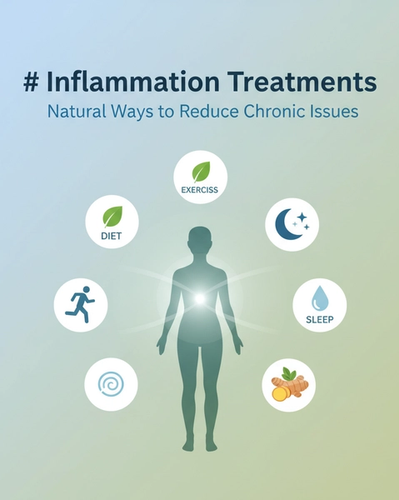
Chronic inflammation links to diseases like heart disease and diabetes, but natural remedies such as anti-inflammatory diets rich in omega-3s, regular exercise, stress management, herbs like turmeric and ginger, adequate sleep, and hydration can effectively reduce inflammation levels and improve health.
By Alzari on February 16, 2026

Inflammation Treatments: Natural Ways to Reduce Chronic Issues
Chronic inflammation is a silent but prevalent issue that affects millions of people worldwide. It’s linked to various diseases, including heart disease, diabetes, and even certain cancers. The good news is that natural remedies can help manage inflammation effectively. By making simple lifestyle and dietary adjustments, individuals can reduce inflammation levels and improve overall health.
Key Takeaways
- Adopting an anti-inflammatory diet can significantly lower inflammation levels. Foods rich in omega-3 fatty acids, antioxidants, and fiber are particularly beneficial.
- Regular exercise is crucial in managing inflammation. Engaging in physical activity helps reduce inflammatory markers in the body.
- Stress management techniques, such as mindfulness and meditation, play a vital role in reducing inflammation. High stress levels are directly correlated with increased inflammatory responses.
- Herbs and spices like turmeric and ginger are natural anti-inflammatories. Incorporating these into daily meals can enhance health and reduce inflammation.
- Adequate sleep is essential for managing inflammation. Poor sleep quality can increase inflammatory markers, so prioritizing rest is key.
- Hydration is often overlooked but critical in supporting the body’s inflammatory response. Drinking sufficient water aids in detoxification and inflammation reduction.
- Avoiding processed foods and refined sugars can lead to significant improvements. These foods can trigger inflammatory responses in the body.
The Anti-Inflammatory Diet
Food choices profoundly impact inflammation levels. A diet rich in fruits, vegetables, whole grains, and healthy fats can combat inflammation effectively. The Mediterranean diet, known for its emphasis on fish, olive oil, nuts, and a variety of plant-based foods, is a prime example.
Research indicates that omega-3 fatty acids, found in fatty fish like salmon and sardines, are particularly effective at reducing inflammation. These healthy fats can lower the levels of inflammatory markers like C-reactive protein (CRP). Antioxidant-rich foods, such as berries, leafy greens, and nuts, also help combat oxidative stress, a contributor to inflammation.
In contrast, processed foods high in sugar, refined carbs, and unhealthy fats can exacerbate inflammation. A study published in the Journal of Nutrition found that individuals consuming high amounts of processed foods had significantly higher levels of inflammatory markers compared to those who adhered to a whole-foods diet.
The Role of Exercise
Regular physical activity is another powerful tool in the fight against inflammation. Exercise not only helps maintain a healthy weight but also reduces the levels of inflammatory markers in the body. According to a study from the American Journal of Physiology, consistent exercise can lead to a marked reduction in CRP levels and other inflammatory substances.
Even moderate activities, like walking or yoga, can yield positive results. The key is consistency—aiming for at least 150 minutes of moderate aerobic activity each week can make a significant difference.
Stress Management Techniques
Chronic stress is a hidden enemy when it comes to inflammation. High stress levels trigger the release of cortisol, a hormone that can lead to increased inflammation when produced in excess. Implementing stress-reducing techniques such as mindfulness, meditation, or even simple breathing exercises can have profound effects on inflammatory levels.
A study in the journal Psychosomatic Medicine highlights how mindfulness meditation can decrease inflammatory markers in individuals with chronic conditions. Finding time to destress is not just a luxury; it’s a necessity for managing inflammation.
Power of Herbs and Spices
The culinary world offers powerful allies in the battle against inflammation. Turmeric, for instance, contains curcumin, a compound known for its anti-inflammatory properties. Incorporating turmeric into meals or taking it as a supplement can lead to significant health benefits.
Ginger is another potent anti-inflammatory herb. A study published in the Journal of Pain found that ginger supplementation resulted in a reduction of muscle pain and inflammation. Adding these spices to your diet can be both tasty and beneficial.
Importance of Sleep and Hydration
Never underestimate the power of sleep. Quality sleep is essential for recovery and overall health. Lack of sleep has been shown to elevate inflammatory markers, making it crucial to prioritize rest. Aim for 7-9 hours of quality sleep each night.
Hydration is equally important. Water helps flush toxins from the body and supports overall bodily functions. A well-hydrated body can more effectively manage inflammation. Aim for at least eight 8-ounce glasses of water per day, adjusting based on activity level and climate.
Conclusion
Managing inflammation naturally is not just about treating symptoms but about fostering a healthier lifestyle. By adopting an anti-inflammatory diet, exercising regularly, managing stress, incorporating beneficial herbs, ensuring adequate sleep, and staying hydrated, individuals can significantly reduce their risk of chronic inflammation. The journey may take time, but the benefits—improved health and well-being—are well worth the effort. Embrace these changes not just as remedies but as a path toward a healthier, more vibrant life.




MORE IN TRENDING

Useful gifts that don’t create clutter - Discover Lifestyle
It’s time to give gifts, and many of us find ourselves asking the same question: what would you like? It can be tough to answer when it often feels as though you already have anything you need. But we want to give a gift. What are we supposed to do? Thankfully, these useful gifts that […]
Adi Liad .
Getting hair extensions for the first time - what you need to know
If you’ve always dreamed of luscious locks but don’t want to wait too long, then hair extensions are the perfect option. They can help hair look healthy, vibrant, denser, and of course, longer. Some people really struggle to grow their hair, whether it’s from heat damage, color damage, or maybe it’s just having the freedom […]
Mia Pazz Maya .

Useful gifts that don’t create clutter - Discover Lifestyle
It’s time to give gifts, and many of us find ourselves asking the same question: what would you like? It can be tough to answer when it often feels as though you already have anything you need. But we want to give a gift. What are we supposed to do? Thankfully, these useful gifts that […]
Adi Liad .

Getting hair extensions for the first time - what you need to know - Discover Lifestyle
If you’ve always dreamed of luscious locks but don’t want to wait too long, then hair extensions are the perfect option. They can help hair look healthy, vibrant, denser, and of course, longer. Some people really struggle to grow their hair, whether it’s from heat damage, color damage, or maybe it’s just having the freedom […]
Mia Pazz Maya .

Useful gifts that don’t create clutter - Discover Lifestyle
It’s time to give gifts, and many of us find ourselves asking the same question: what would you like? It can be tough to answer when it often feels as though you already have anything you need. But we want to give a gift. What are we supposed to do? Thankfully, these useful gifts that […]
Adi Liad .