
Inclusive Fashion: Adaptive and Gender-Fluid Trends for Self-Expression
Fashion has always been a reflection of culture, identity, and personal expression. As society evolves, so does the landscape of fashion, with a significant shift towards inclusivity. The emergence of adaptive and gender-fluid trends embraces diversity, featuring gender-inclusive designs, adaptive fashion for disabilities, cultural representation, gender-neutral collections, modular designs, and diverse models on runways.
By Mia Pazz Maya on February 16, 2026
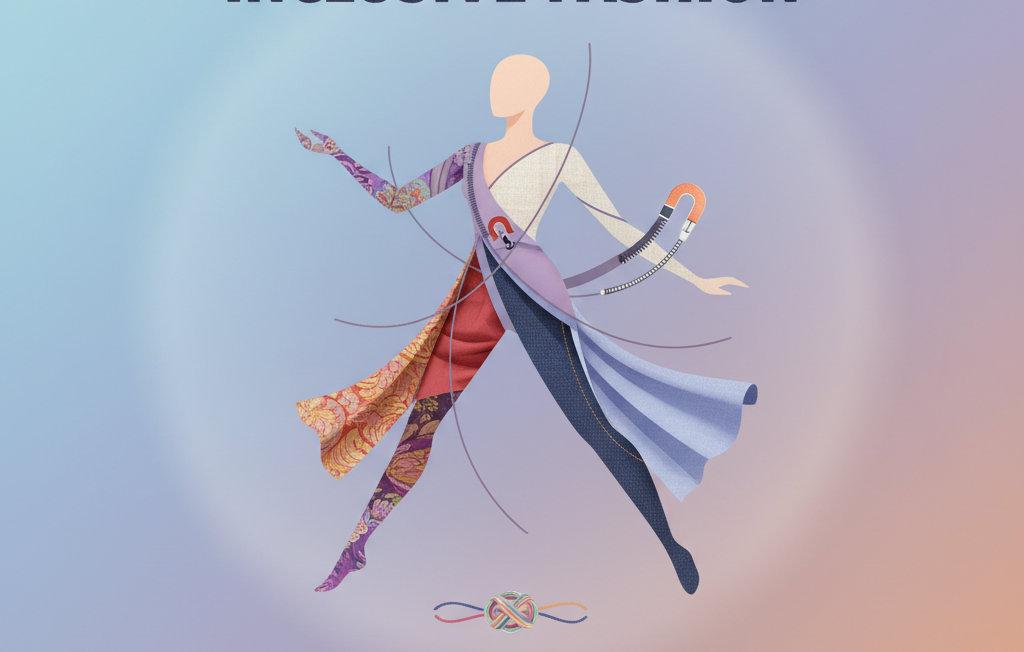
Inclusive Fashion: Adaptive and Gender-Fluid Trends for Self-Expression
Fashion has always been a reflection of culture, identity, and personal expression. As society evolves, so does the landscape of fashion, with a significant shift towards inclusivity. The emergence of adaptive and gender-fluid trends is not just a passing phase; it’s a movement that embraces diversity and individuality on a grand scale. In this vibrant arena, the lines of traditional fashion are blurred, allowing for a more authentic self-expression.
Key Takeaways
- Gender-inclusive designs feature fluid silhouettes that cater to all identities, moving away from rigid categories.
- Adaptive fashion prioritizes stylish designs that integrate functionality, focusing on the needs of individuals with disabilities.
- Cultural representation in fashion includes global aesthetics, respecting and celebrating various traditions and styles.
- Many brands are creating gender-neutral collections, merging menswear and womenswear to appeal to a broader audience.
- The rise of modular designs allows consumers to customize their clothing, promoting personal expression and versatility.
- Fashion shows increasingly feature diverse models, challenging industry norms and promoting inclusivity on the runway.
- Consumer demand for inclusivity is reshaping brand strategies, pushing them to embrace diverse representations in advertising and product lines.
The Shift Towards Gender Inclusivity
The fashion industry is increasingly embracing gender inclusivity, moving beyond traditional menswear and womenswear categories. Designers are crafting fluid and unisex silhouettes that allow individuals to express themselves without the constraints of gender norms. Brands like Telfar and Palomo Spain are leading the charge, creating collections that defy classification. For example, Telfar’s shopping bags have become a symbol of accessibility and inclusivity, celebrated for their unisex appeal.
This shift isn’t merely a trend; it reflects a broader societal change where people seek representation in what they wear. The industry is slowly recognizing that style should not be confined to binary definitions. Instead of segregating clothing by gender, the focus is on creating versatile pieces that resonate with a diverse audience.
Adaptive Fashion: Style Meets Functionality
Adaptive fashion has traditionally been synonymous with functionality, often sacrificing style for practicality. However, this perception is changing dramatically. Fashion-forward adaptive designs are emerging, prioritizing aesthetics alongside function. Brands like Zappos and Tommy Hilfiger have pioneered collections that are not only stylish but also cater to the specific needs of individuals with disabilities.
These adaptive designs incorporate thoughtful features, such as magnetic closures and adjustable hems, while still being fashion-conscious. This shift signifies a crucial understanding that individuals with disabilities deserve clothing that empowers them, allowing for personal style without compromising on usability.
Cultural Representation: A Global Aesthetic
Fashion is a global language, and the rise of inclusive fashion is amplifying voices from various cultures. Designers are increasingly drawing inspiration from global aesthetics, celebrating traditions and styles that reflect the rich tapestry of human heritage. This cultural representation is essential in fostering a sense of belonging for individuals who have often felt excluded from mainstream fashion narratives.
Brands like ASOS and H&M are leading the way by collaborating with designers from diverse backgrounds, ensuring that their collections resonate with a broader audience. Such initiatives not only enrich the fashion landscape but also promote understanding and respect for different cultures.
The Power of Modular Designs
One of the most exciting trends in inclusive fashion is the rise of modular designs, allowing consumers to customize their clothing. These designs can be adapted for various occasions, promoting versatility and personal expression. Brands like Uniqlo are experimenting with modular collections that enable customers to mix and match pieces, creating a personalized wardrobe that reflects their unique identity.
This trend aligns with the growing consumer desire for individuality in fashion. As people seek to define their style on their own terms, modular designs offer a practical solution that encourages creativity and self-expression.
Conclusion: Embrace the Change
Inclusive fashion is more than just a trend; it’s a celebration of diversity and individuality. As the industry continues to evolve, the focus on adaptive and gender-fluid designs will only grow stronger. It’s a call to action for consumers and brands alike to embrace this change, fostering an environment where everyone feels seen and valued.
As you explore your own wardrobe, consider the messages your clothing sends. Embrace the fluidity of fashion, experiment with styles that resonate with you, and support brands that prioritize inclusivity. The future of fashion is vibrant, diverse, and ready for self-expression—will you be a part of it?


MORE IN TRENDING

Useful gifts that don’t create clutter - Discover Lifestyle
It’s time to give gifts, and many of us find ourselves asking the same question: what would you like? It can be tough to answer when it often feels as though you already have anything you need. But we want to give a gift. What are we supposed to do? Thankfully, these useful gifts that […]
Adi Liad .
Getting hair extensions for the first time - what you need to know
If you’ve always dreamed of luscious locks but don’t want to wait too long, then hair extensions are the perfect option. They can help hair look healthy, vibrant, denser, and of course, longer. Some people really struggle to grow their hair, whether it’s from heat damage, color damage, or maybe it’s just having the freedom […]
Mia Pazz Maya .

Useful gifts that don’t create clutter - Discover Lifestyle
It’s time to give gifts, and many of us find ourselves asking the same question: what would you like? It can be tough to answer when it often feels as though you already have anything you need. But we want to give a gift. What are we supposed to do? Thankfully, these useful gifts that […]
Adi Liad .

Getting hair extensions for the first time - what you need to know - Discover Lifestyle
If you’ve always dreamed of luscious locks but don’t want to wait too long, then hair extensions are the perfect option. They can help hair look healthy, vibrant, denser, and of course, longer. Some people really struggle to grow their hair, whether it’s from heat damage, color damage, or maybe it’s just having the freedom […]
Mia Pazz Maya .

Useful gifts that don’t create clutter - Discover Lifestyle
It’s time to give gifts, and many of us find ourselves asking the same question: what would you like? It can be tough to answer when it often feels as though you already have anything you need. But we want to give a gift. What are we supposed to do? Thankfully, these useful gifts that […]
Adi Liad .