
Body Literacy: Listening to Your Unique Biology for Better Health
Body literacy is the ability to listen to and interpret the signals your body sends, promoting better health by recognizing needs like rest or diet changes amid hustle culture. It involves understanding your unique biology through self-care, mindfulness, and practices like yoga to make informed healthcare decisions and foster well-being.
By Rebecca Mandell RebbecaMotang on February 16, 2026
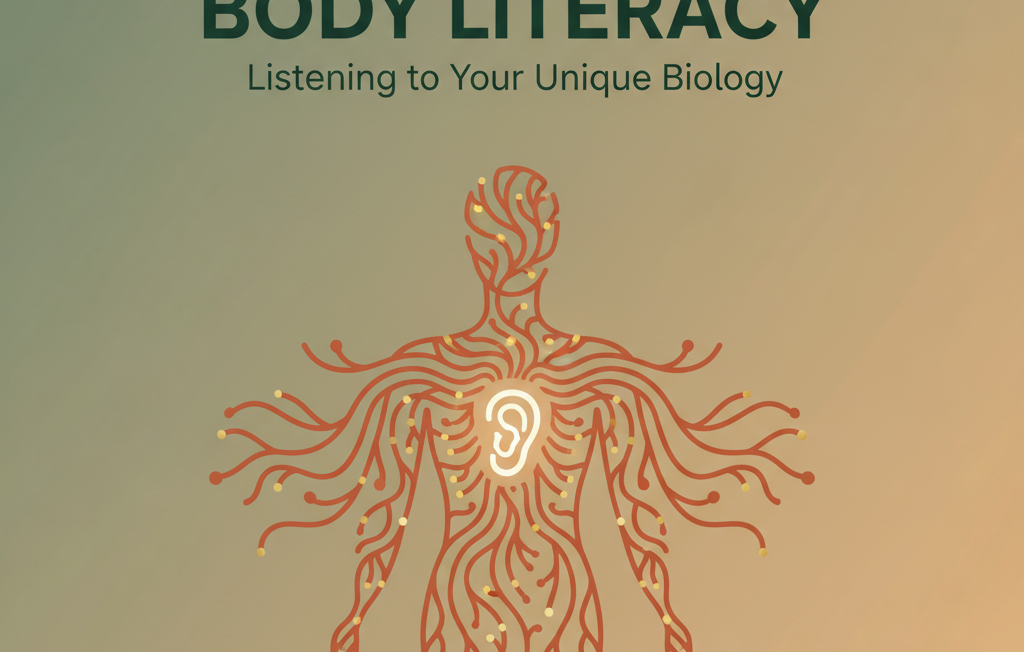
Body Literacy: Listening to Your Unique Biology
Imagine waking up one morning feeling unusually fatigued, and instead of pushing through your busy day, you pause to reflect. You notice that your body is signaling something, perhaps a need for more rest or a change in diet. This is the essence of body literacy: the ability to listen to and interpret the signals your body sends. In an age where hustle culture dominates, tuning into our unique biology has never been more crucial.
Key Takeaways
- Body literacy means understanding and responding to your body’s signals, promoting better health and well-being.
- Many individuals struggle to differentiate between what is normal and what is healthy due to busy lifestyles.
- Self-care practices, such as mindfulness, can enhance body awareness and improve overall health.
- Listening to your body can lead to more informed healthcare decisions and improved mental health.
- Engaging with your body’s rhythms fosters a deeper connection with your own biology.
- Communication with healthcare professionals becomes more effective when patients advocate for their own needs.
- Mindful movement practices, like yoga or dance, can help cultivate body literacy.
Understanding Body Literacy
Body literacy is about more than just awareness; it's about interpretation and action. It involves recognizing what is typical for your body versus what might indicate an underlying issue. For many, busy schedules and a lack of knowledge can obscure these signals. People often find themselves caught in a cycle of ignoring discomfort in favor of productivity. This is where the concept of body literacy becomes essential.
Being body literate means understanding the nuances of your health. What feels normal for one person may not be for another. For instance, persistent fatigue in one individual could be a simple sign of overwork, while in another, it might indicate a deeper health concern. The challenge lies in differentiating these signals, and this is where self-care practices can be transformative.
The Role of Self-Care
Self-care isn't selfish; it’s a crucial component of maintaining body literacy. Simple practices like journaling, meditating, or even taking a walk can help individuals reconnect with their bodies. Research shows that mindfulness activities increase awareness of bodily sensations, improving overall health outcomes.
Engaging in self-care fosters a healthier dialogue between the mind and body. For example, when someone feels anxious, they might experience physical symptoms such as a racing heart. A body-literate individual recognizes this and can take steps to address it, whether through breathing exercises or seeking professional help.
Listening to Your Body
Listening to your body requires practice. It’s about tuning into those subtle signals that often go unnoticed. The art of listening is a skill that can be developed over time. Techniques such as body scanning—where one consciously checks in with different body parts—can enhance this skill.
There’s a wealth of resources available for those interested in improving their body literacy. Books, podcasts, and workshops can offer guidance on how to interpret bodily signals more effectively. The key is to engage with these resources actively, integrating their teachings into daily life.
Advocating for Your Health
An essential aspect of body literacy is the ability to communicate effectively with healthcare professionals. When individuals are in tune with their bodies, they can articulate their needs and concerns more clearly. This leads to better healthcare outcomes, as practitioners can provide more tailored advice.
Take the example of menstrual health. Many women experience issues related to their cycles but may feel hesitant to speak up about them. By cultivating body literacy, women can better understand their cycles and advocate for their health with confidence. This shift can lead to improved discussions with healthcare providers and more accurate diagnoses.
Connecting to Your Unique Biology
Engaging with your body’s rhythms fosters a profound connection to your unique biology. This connection is crucial for overall well-being. Practices like yoga, dance, or even simple stretching can enhance this relationship. They encourage exploration of movement and sensation, allowing individuals to better understand their physical selves.
Each person's body is a unique ecosystem, influenced by a myriad of factors including genetics, lifestyle, and environment. By embracing this uniqueness, individuals can create personalized health plans that resonate with their specific needs.
Conclusion
Body literacy is a journey, not a destination. It requires dedication, patience, and a willingness to listen. In a world that often prioritizes productivity over health, taking the time to listen to your body can be revolutionary. It’s a personal revolution that empowers individuals to take charge of their health, advocate for their needs, and truly understand what it means to live in their bodies. So, the next time you feel that twinge of discomfort or a wave of fatigue, pause and listen. Your body is speaking; it’s time to learn its language.



MORE IN TRENDING

Useful gifts that don’t create clutter - Discover Lifestyle
It’s time to give gifts, and many of us find ourselves asking the same question: what would you like? It can be tough to answer when it often feels as though you already have anything you need. But we want to give a gift. What are we supposed to do? Thankfully, these useful gifts that […]
Adi Liad .
Getting hair extensions for the first time - what you need to know
If you’ve always dreamed of luscious locks but don’t want to wait too long, then hair extensions are the perfect option. They can help hair look healthy, vibrant, denser, and of course, longer. Some people really struggle to grow their hair, whether it’s from heat damage, color damage, or maybe it’s just having the freedom […]
Mia Pazz Maya .

Useful gifts that don’t create clutter - Discover Lifestyle
It’s time to give gifts, and many of us find ourselves asking the same question: what would you like? It can be tough to answer when it often feels as though you already have anything you need. But we want to give a gift. What are we supposed to do? Thankfully, these useful gifts that […]
Adi Liad .

Getting hair extensions for the first time - what you need to know - Discover Lifestyle
If you’ve always dreamed of luscious locks but don’t want to wait too long, then hair extensions are the perfect option. They can help hair look healthy, vibrant, denser, and of course, longer. Some people really struggle to grow their hair, whether it’s from heat damage, color damage, or maybe it’s just having the freedom […]
Mia Pazz Maya .

Useful gifts that don’t create clutter - Discover Lifestyle
It’s time to give gifts, and many of us find ourselves asking the same question: what would you like? It can be tough to answer when it often feels as though you already have anything you need. But we want to give a gift. What are we supposed to do? Thankfully, these useful gifts that […]
Adi Liad .